
Exploring the cultural significance of gambling throughout history
The Origins of Gambling in Ancient Civilizations
Gambling has roots that trace back to ancient civilizations, playing a pivotal role in social and economic activities. In societies like ancient China and Rome, games of chance were intertwined with daily life, serving both as entertainment and as a means to resolve disputes. For instance, archaeological discoveries reveal that dice made from animal bones were commonly used in China as early as 2000 BC, signifying that games of chance were already a part of human culture thousands of years ago. Today, luckydreams-nz.org/ offers an extensive range of online gambling options that echo this long-standing tradition.
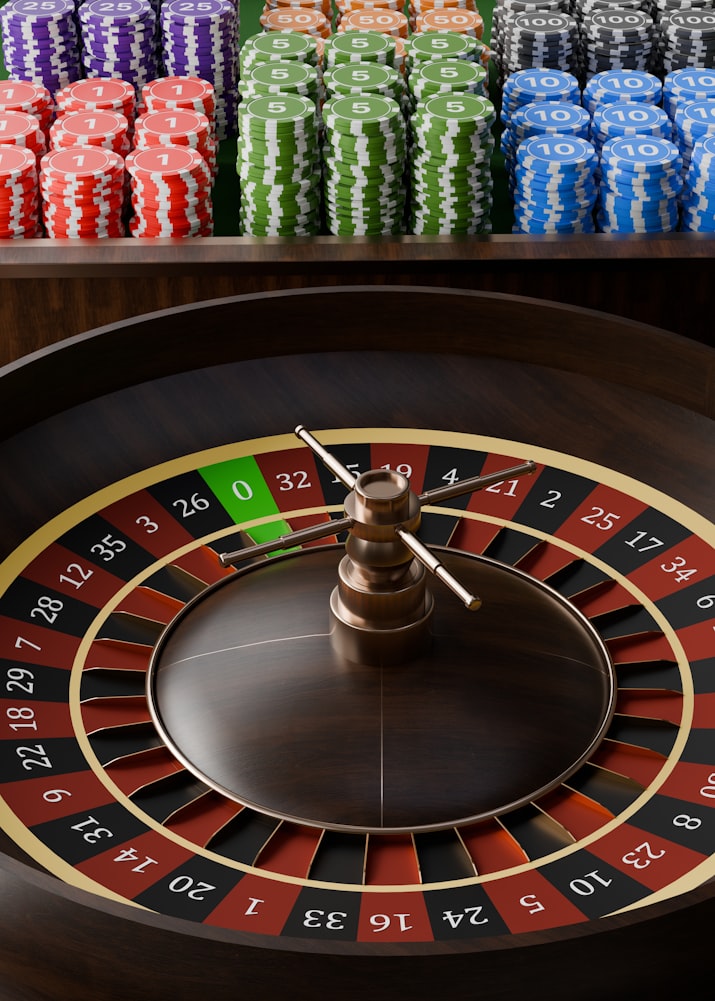
In ancient Rome, gambling was a popular pastime, embraced by all classes of society, from emperors to common citizens. Public games and betting events were frequently held, showcasing the Romans’ fascination with luck and chance. The Romans even developed laws regulating gambling to manage its influence and economic impact, illustrating its importance within their cultural framework. This historical precedent laid the foundation for how societies would later view and regulate gambling.
Throughout history, various cultures have adopted and adapted gambling practices, often reflecting their values and beliefs. In some traditions, gambling was seen as a way to connect with the divine, while in others, it served as a social lubricant. This multifaceted nature of gambling highlights its significant role in human interaction, shaping relationships and cultural identities across civilizations.
The Role of Gambling in Medieval and Renaissance Europe
During the medieval period, gambling began to evolve, especially in Europe, where it became more structured and formalized. The introduction of playing cards from the East sparked a new wave of interest, leading to the establishment of dedicated gaming houses. These establishments provided a controlled environment for betting, leading to the emergence of gambling as a staple of social life in cities. This period saw a rise in gambling’s popularity among the nobility, often intertwined with courtly life and festivities.
The Renaissance brought a significant cultural shift, where gambling was both celebrated and condemned. While it became a popular leisure activity among the elite, moralists criticized it for promoting vice and irresponsibility. Notable literary figures, such as Shakespeare, referenced gambling in their works, reflecting its dual nature as both an entertaining and dangerous pursuit. This complexity added depth to gambling’s role in society, revealing the tension between enjoyment and moral concern.
Furthermore, this era witnessed the creation of early lotteries as a means of raising funds for public projects. The idea of chance leading to fortune became ingrained in European culture, serving not only as a source of entertainment but also as a financial tool. Thus, the cultural significance of gambling continued to evolve, paving the way for future gaming innovations and practices.
The Evolution of Gambling in the Modern Era
The 18th and 19th centuries marked a significant transformation in gambling, particularly with the establishment of casinos and the rise of organized gambling. The introduction of legal betting houses allowed for more regulation and oversight, fostering a safer environment for gamblers. In Las Vegas, the first legal casinos emerged, setting the stage for a new era of gambling that embraced entertainment, luxury, and a vibrant nightlife. This shift emphasized gambling not just as a game of chance but as an integral aspect of modern culture.
Moreover, the invention of the telephone and later the internet revolutionized the gambling landscape. The ability to place bets remotely introduced a new demographic to gambling, broadening its appeal beyond traditional settings. Online casinos gained popularity in the late 20th century, allowing players to engage with games from the comfort of their homes. This accessibility has changed the way gambling is perceived, fostering a culture of convenience and instant gratification.
As gambling became increasingly mainstream, it also faced scrutiny regarding addiction and ethical practices. Society began to recognize the darker sides of gambling, prompting calls for responsible gaming initiatives and regulations. This awareness has led to greater emphasis on education and support for those affected by gambling-related issues, demonstrating that the cultural significance of gambling is multifaceted, encompassing both enjoyment and responsibility.
Gambling’s Influence on Popular Culture and Society
Gambling has permeated popular culture, influencing literature, film, and music. Iconic films like “Casino” and “The Hangover” depict the glamour and chaos of gambling, shaping public perceptions and fantasies around this activity. These portrayals often highlight the thrill of risk-taking, reflecting the allure that gambling holds for many. Moreover, gambling references in popular music reveal its role in expressing themes of luck, fortune, and risk.
Beyond entertainment, gambling serves as a lens through which societal values and issues are examined. It can reflect cultural attitudes toward wealth, luck, and morality, often sparking discussions about the fine line between entertainment and addiction. The fascination with risk and reward in gambling resonates with broader life experiences, reinforcing its significance in understanding human behavior and society.
Furthermore, the rise of eSports betting and fantasy sports showcases how gambling continues to adapt and evolve with changing interests and technologies. This shift emphasizes that gambling is not merely a static practice; it dynamically engages with current societal trends. As such, gambling remains a significant cultural force, continually reshaping its identity within modern society.
Lucky Dreams: A New Frontier in Online Gambling
Lucky Dreams is an online casino that epitomizes the modern evolution of gambling, merging entertainment with technological advancements to create a unique gaming experience. With an extensive library of over 2,600 games, including slots, table games, and live dealer options, it caters to a diverse audience, providing accessibility and convenience that traditional casinos may not offer. This platform embodies the growing trend of online gambling, appealing to players who value flexibility and variety.
The site is designed with user experience in mind, featuring a seamless interface that simplifies deposits and withdrawals. Lucky Dreams also emphasizes security and fairness, ensuring that all games are regularly audited and licensed. This commitment to transparency is crucial in building trust with players, addressing common concerns associated with online gambling.
Additionally, Lucky Dreams offers enticing bonuses and promotions, enhancing the gaming experience and encouraging engagement. With 24/7 customer support, players can feel assured that their concerns will be promptly addressed. As online gambling continues to grow, platforms like Lucky Dreams represent the future of this industry, blending tradition with innovation to appeal to both new and experienced gamblers.